
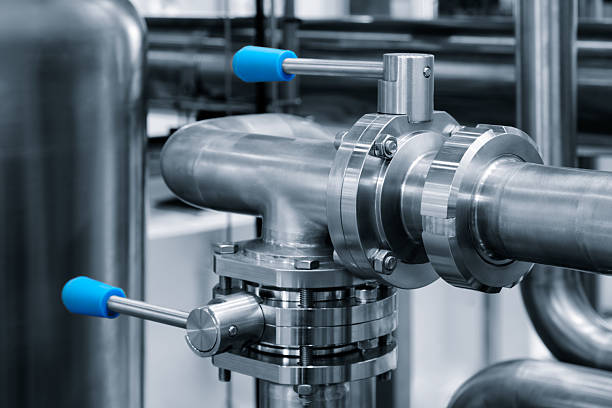
Are you planning a chemical setup and asking yourself how to choose the right valves without confusion?
Many people face this question when working with chemical systems, and the good part is that valve selection becomes simple when a few basic points are kept in mind. Valves play a very important role in smooth flow control, safety, and long-term comfort in chemical applications.
When choices are made with care and clear thinking, operations feel steady and reliable.
1. Type of chemical being handled
The first step is always understanding the chemical that will pass through the pvc ball valves. This gives a strong base for every further decision.
Matching valve material with chemical nature
Different chemicals have different behaviors. Some are mild, some react easily, and some need extra care. The valve material should match the chemical so that the flow remains smooth and stable. Materials like stainless steel, special alloys, or certain plastics are chosen based on chemical compatibility. When material and chemical work well together, performance stays consistent and safe over time.
2. Operating temperature range
Temperature plays a key role in chemical systems. Valves should stay comfortable and steady within the working temperature range.
Ensuring smooth function under temperature changes
Every valve has a specific temperature range where it performs best. Understanding the operating temperature helps in selecting a valve that maintains its shape and strength. When the valve is comfortable with the temperature conditions, flow control stays accurate and stable. This adds confidence to daily operations.
3. Pressure conditions of the system
Pressure control is very important in chemical applications. Valves need to handle system pressure with ease.
Selecting valves that suit pressure levels
Some systems operate at low pressure, while others work at higher pressure levels. Choosing a valve that matches the pressure keeps flow smooth and controlled. A well-matched butterfly valve supports consistent operation and long service life. This careful selection brings peace of mind during regular use.
4. Flow control requirements
Flow control defines how smoothly a chemical moves through the system. Valves should support the desired level of control.
Choosing the right flow style
Some applications need simple on and off control, while others need gradual flow adjustment. Valves are available in different styles to match these needs. When flow control matches process demand, efficiency remains steady. This makes daily work easier and more predictable.
5. Ease of operation and handling
Valves should be easy to operate and maintain. Comfort in handling helps teams work confidently.
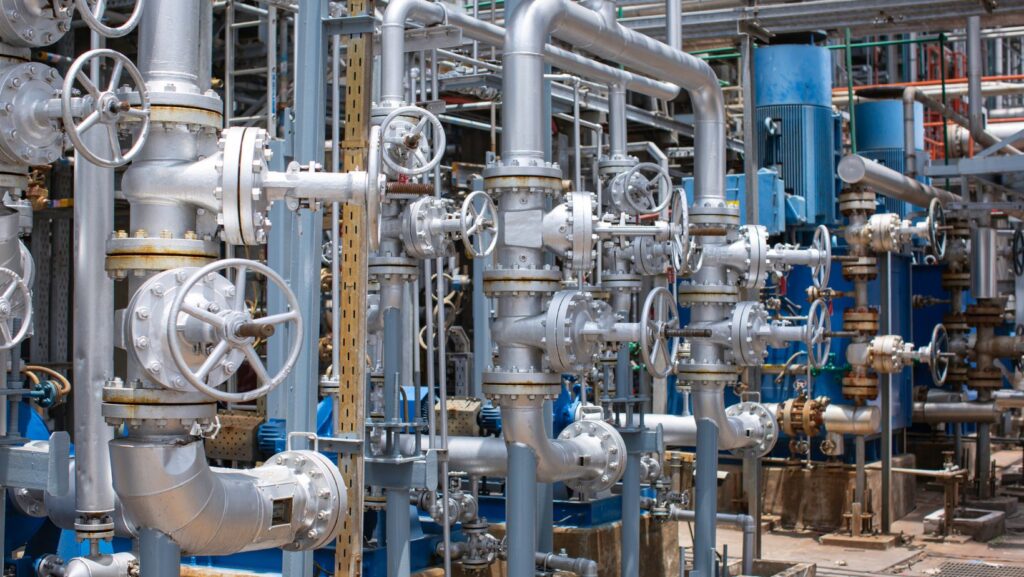
Supporting daily use with simple operation
Manual, automated, or assisted teflon lined butterfly valves are chosen based on how often they are used. Easy operation saves time and effort during routine work. When valves respond smoothly, operators feel more in control. This comfort supports smooth daily tasks and consistent results.
6. Long-term reliability and durability
Chemical applications often run for long hours. Valves should support this with steady performance.
Focusing on strong build quality
Valves made with quality materials and proper construction offer long-lasting support. Strong seals and solid design help maintain consistent flow. When durability is given importance, maintenance becomes simple, and performance stays stable. This adds long-term confidence to the system.
7. Compliance with industry standards
Industry standards help ensure safety and performance consistency. Valves that follow these standards fit well into chemical systems.
Aligning with accepted practices
Valves that meet standard guidelines offer trusted performance. These standards help ensure compatibility, safety, and smooth integration. When valves align with accepted practices, planning and operation feel organized and dependable. This creates a sense of assurance for teams working with chemical processes.
Selecting valves for chemical applications becomes clear and manageable when these points are kept in mind. Understanding chemicals, temperature, pressure, flow needs, operation comfort, durability, and standards helps build a reliable system. With thoughtful choices and simple logic, valves support smooth chemical operations and bring confidence to everyday work.