
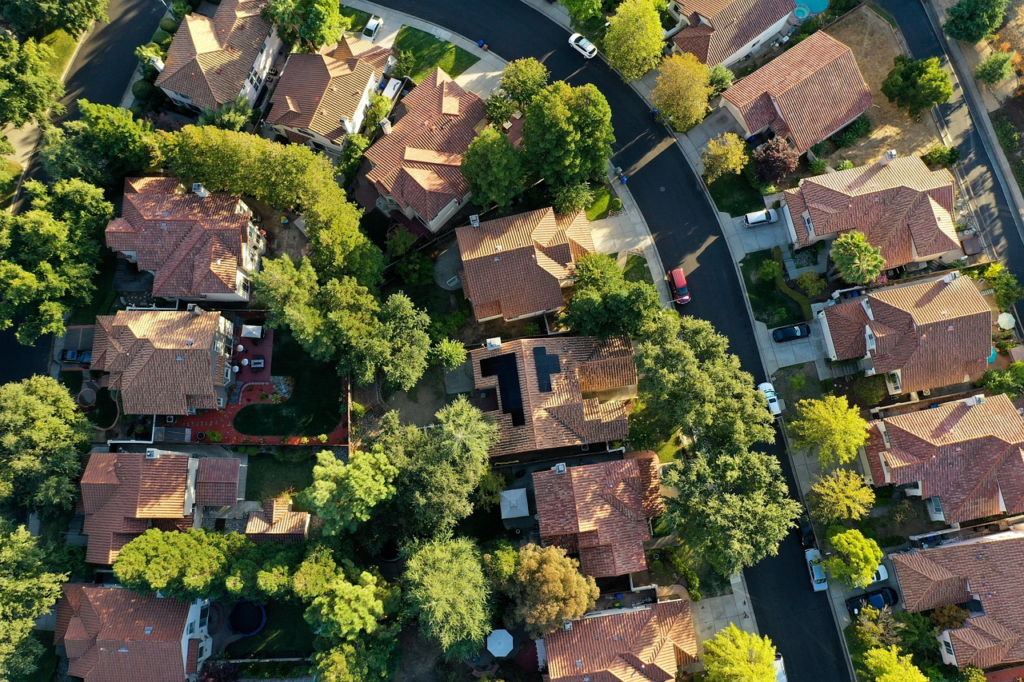
If you are thinking about rooftop solar for your home, one question matters more than anything else. Is your Dallas home a good fit for it? The signs are often right in front of you, in how often your roof gets sunlight, your energy use, and how your home is built. Once you know what to look for, it becomes much easier to tell whether solar makes sense for your property.
Your Roof Is In The Sun Most Of The Day
Is your roof in the sun, or does it sit under shifting shadows from trees and nearby homes? That simple observation can tell you a lot about whether your home is ideal for solar panels.
Dallas gets strong sunlight for much of the year, which is a huge advantage. However, not every roof benefits equally. A house surrounded by tall trees or tight spacing with neighboring buildings might miss out on several key hours of direct light. On the other hand, a roof that stays exposed from late morning into the afternoon is ideal.
Do certain upstairs rooms heat up faster during the day? Does the roof look brighter on one side when you pull into the driveway? Those answers suggest consistent sun exposure, which is what solar systems rely on.
Professionals from a solar energy company in Dallas often start with this same basic question. How much uninterrupted sunlight does the roof get? If you get good sunlight, then that’s a great indication to install solar panels on the roof.
The Roof Is Solid And Not Overly Complicated
It is easy to forget about the roof until something goes wrong. Solar panels change that dynamic. Once installed, they are meant to stay in place for years, so the surface beneath them needs to be ready for that commitment.
A newer roof or one that has been well-maintained is a positive sign. It means you are less likely to deal with repairs that could interrupt or complicate the system later. No one wants to remove panels just to fix something that could have been handled earlier.
Shape plays a role too. A wide and open section of roof makes installation simpler and often more efficient. Too many interruptions can limit how panels are arranged. That does not mean solar is off the table, but it can affect output and design.
Picture two homes side by side. One has a clean, open roofline, the other has multiple peaks and small sections. The first one offers more flexibility and allows installers to place panels where they perform best rather than squeezing them into tight spots.
Your Electricity Bills Keep Getting Your Attention
Maybe it is a summer bill that feels unusually high, or a pattern of monthly costs that never seem to settle. Dallas heat has a way of pushing energy use up, especially when air conditioning runs for long stretches of the day. With global energy supply lines under pressure, this might be the best time to install solar panels.
Homes that use more electricity during daylight hours often get the biggest impact from solar. It is not only about total usage. If most of your consumption happens while the sun is out, that energy can potentially be offset as it is being generated.
Think about a typical afternoon. The house is cooling down, appliances are running, maybe someone is working from home. That demand lines up closely with solar production. It creates a natural balance where energy is being used as it is produced rather than pulled entirely from the grid.
Many homeowners start with frustration over bills. That frustration turns into curiosity. Then curiosity leads to research. Eventually, the idea of solar energy begins to feel practical.
The Direction Your Roof Faces Helps
Orientation sounds technical, but it is easier to understand when you picture how the sun moves across the sky. Roofs that face south tend to receive steady sunlight through the middle of the day. East-facing sections catch more morning light, while west facing ones get stronger exposure later in the afternoon. Each of these can work because there is no single perfect direction that every home must have. What matters is having at least one area that consistently faces the sun for a good portion of the day.
A south-facing roof often provides the most balanced output, but east and west orientations can still perform well depending on how energy is used in the home. For example, a west-facing roof might align nicely with higher energy use in the late afternoon and evening.
People sometimes assume their house has to be perfectly positioned or it is not worth considering. That is rarely true because modern system designs can adapt to different layouts. Panels can be arranged across multiple sections to make the most of available light.
If your roof has usable space that gets regular sunlight, there is usually a workable path forward.
You Will Stay In Your Home For Years
This part is less about the roof and more about how you think about your home. Solar tends to make the most sense when you are planning to stay for a while. It is not a quick flip or a short-term upgrade because it builds value over time.
Energy savings accumulate gradually. One month might not feel dramatic, but over several years the difference becomes noticeable. At the same time, electricity costs rarely move in a predictable or stable way. Having your own source of energy adds a sense of control that is reassuring.
There is also the added appeal when it comes to property value. Homes with solar systems often attract attention from buyers who are already thinking about efficiency and cost savings. Even if selling is not on your mind right now, it is part of the bigger picture.
Most people who move forward with solar are not chasing a trend. They are thinking about how their home functions day to day and year to year. They want consistency, fewer surprises, and a setup that works in their favor over time.