
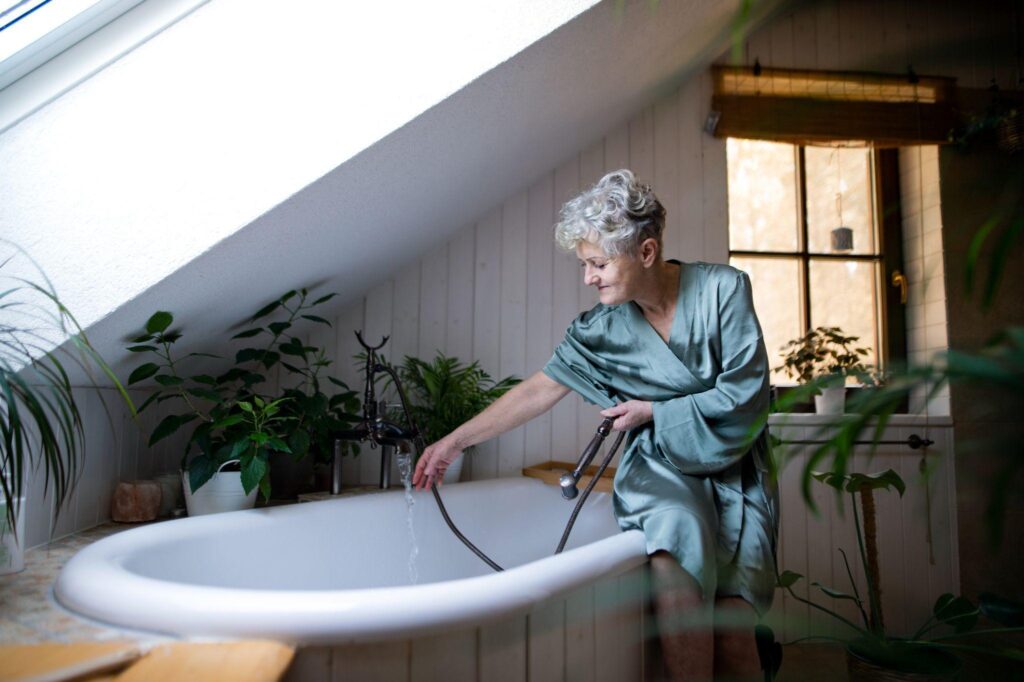
Quick Answer
A standard tub asks an older adult to lift a leg over a high wall, balance on a slick surface, and lower down with little support. Each of those moves carries fall risk. The hidden danger is that these tubs were built for looks and space, not for aging bodies. Spotting the weak points early lets families make small changes before a serious injury happens.
Introduction
Picture a parent who has bathed in the same tub for thirty years, now gripping the wall a little tighter every time they step in. Nothing about the tub has changed. What changed is the body using it, and that is where the trouble starts.
Most homes still rely on a design that was never built for shifting balance, weaker knees, or slower reactions. That mismatch is why so many families start looking into a walk in bathtub for seniors after a scare that could have been avoided. The tub becomes a daily test of strength and steadiness, and it gets harder to pass each year.
The danger is rarely obvious until something goes wrong. A wet foot, a missed grab, a moment of dizziness, and a simple wash turns into a trip to the emergency room.
How a Standard Tub Turns Into a Fall Hazard
A regular bathtub looks harmless, yet it asks a lot from a body that no longer moves the way it once did. The features that make a tub feel ordinary to a younger person are the same ones that create hazards later in life. Knowing where those weak spots sit is the core of good bathtub safety for seniors, and it helps families act before a fall forces the decision.
The high wall problem
The biggest hurdle is the tub wall itself. Most standard models sit between 14 and 24 inches tall, so an older adult has to lift one leg high while balancing on the other. For anyone with stiff hips, weak knees, or shaky balance, that single motion is often where a fall starts.
Slick surfaces that give way in seconds
Wet porcelain offers almost no grip. Add soap and the floor of the tub turns slippery fast. Seniors tend to lose their footing on the way out, when they are wet, tired, and reaching for anything to steady themselves.
Where most tub accidents happen
A few spots account for the bulk of incidents:
- The step-in and step-out, where leg lifts and balance shifts combine
- The lowering motion, when knees and arms must carry full body weight
- The wet exit, when slick skin meets a slick surface with nothing solid to hold
Beyond the layout, several quieter factors raise the stakes:
|
Hidden Factor |
Why It Matters for Older Adults |
|
Poor lighting |
Depth perception fades with age, making the tub edge hard to judge |
|
Water temperature |
Skin becomes less sensitive, raising the risk of scalds |
|
Bathing alone |
A slip can leave someone stranded for hours with no help nearby |
|
Nothing to grip |
Towel bars and soap dishes give way when used as support |
The result is a room that quietly works against the person in it. Learning how to make a bathtub safe for elderly family members starts with seeing these traps clearly, then deciding which ones a small upgrade can fix and which call for a bigger change.
Spotting the Warning Signs of an Unsafe Tub
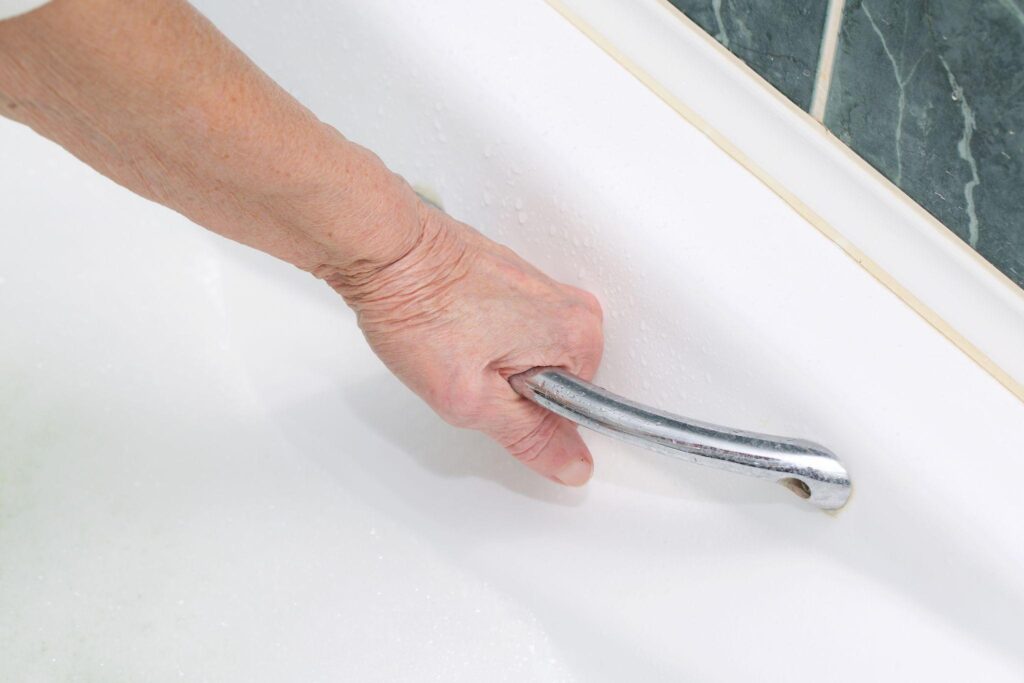
Falls rarely arrive without notice. Long before a serious injury, small changes in how an older adult handles bath time show that the current setup no longer fits. Adult children often catch these shifts during a visit and write them off as normal aging. Each one is really a nudge to rethink the bathroom before luck runs out.
Signs the tub has become a hazard
Watch for these habits in a parent or loved one:
- Gripping walls, towel bars, or the sink to stay steady
- Avoiding baths or stretching the time between them
- Taking much longer to get in and out than before
- Mentioning dizziness or unsteadiness while washing
- Asking for a hand with a task they used to manage alone
When two or more show up together, the tub has likely crossed from minor nuisance to real danger. That is the point to weigh your options for elderly bathtub safety rather than wait for a call from the hospital.
Matching the fix to the level of need
Not every situation calls for a full renovation. The right response depends on how much the person’s mobility has slipped.
|
Level of Need |
Sensible Options |
|
Mild, steady but cautious |
Grab bars, non-slip mats, a bath seat, better lighting |
|
Moderate, real balance trouble |
A tub cut-out, transfer bench, or handheld shower |
|
High, cannot clear the wall safely |
A step-through design or a full tub replacement |
Safety tubs for seniors, paired with grab bars and seating, cover most mild to moderate cases well. For anyone who simply cannot lift a leg over the wall, a low-threshold or door-equipped model removes the hazard at its source. A frank talk with an occupational therapist can pin down which tier fits and where the money goes furthest.
Giving an Aging Parent a Bathroom They Can Trust
The bathroom does not have to be the most dangerous room in the house. Once families see where a standard tub falls short, the path forward gets a lot clearer. Small fixes like grab bars and non-slip mats add real safety for someone who is still fairly steady. A step-through or door-equipped design solves the problem for anyone who can no longer clear a high wall, and a bathtub for elderly with door options removes the riskiest motion completely.
The aim is simple. Let an older adult keep bathing with confidence and dignity, on their own terms, for as long as they can. Matching the right bathtub help for elderly needs to the person’s real mobility protects both their body and their independence. Acting before a fall, instead of after one, is the surest way to keep a loved one safe, comfortable, and at home where they want to be.