
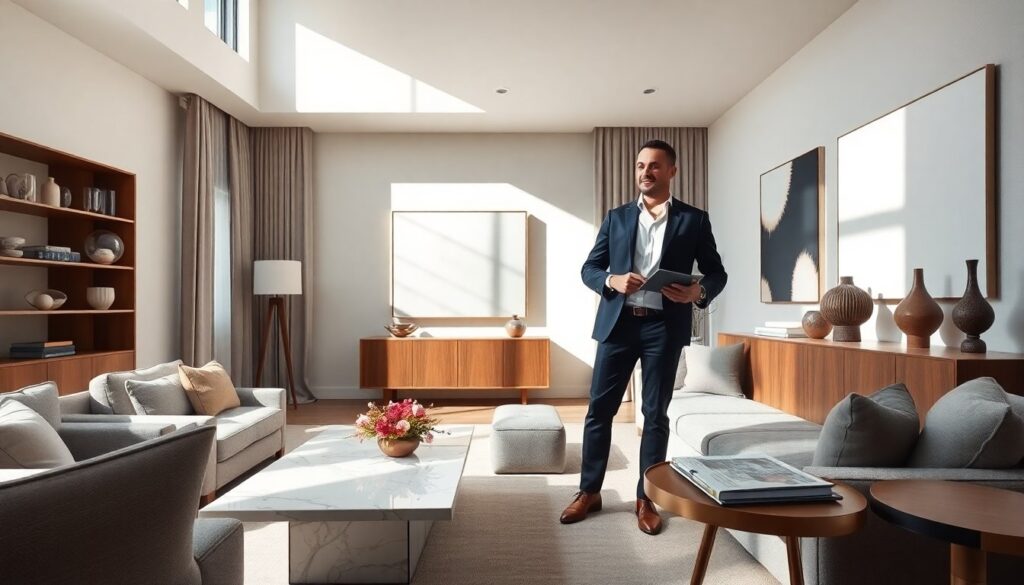
Purveyors of exquisite taste luxuryinteriors define how high-end homes look in 2026. They select materials, scale rooms, and place art. They hire makers and source rare pieces. They balance comfort and ceremony. They shape homes that last beyond trends.
Key Takeaways
- Purveyors of exquisite taste luxuryinteriors emphasize quality, history, and purposeful composition to create timeless high-end homes that balance comfort with ceremony.
- They prioritize natural, iconic materials like marble, oak, brass, and hand-blown glass that age gracefully and support long-term use and aesthetic flexibility.
- Spatial planning focuses on clear zoning, generous circulation, and balanced lighting to enhance function and highlight art and architectural details.
- Sourcing involves commissioning skilled artisans, acquiring limited editions, and combining vintage and contemporary pieces to ensure rarity and provenance.
- Attention to craftsmanship details, such as joinery and upholstery quality, is essential to maintain the integrity and value of luxury interiors.
What Defines Exquisite Taste In Luxury Interiors
Purveyors of exquisite taste luxuryinteriors set standards for form and function. They favor restraint over excess. They choose color and texture to support life and ritual. They emphasize quality that shows with use. They prefer pieces with history or clear authorship. They compose rooms so each object earns attention and purpose. They avoid uniformity and value variation in scale and finish. They let light and shadow reveal surface and detail. They keep proportion and human scale as primary rules. They allow a single striking item to anchor a room without overwhelming it.
Signature Materials, Finishes, And Craftsmanship
Purveyors of exquisite taste luxuryinteriors seek materials that age well. They select stone, hardwood, and hand-finished metals for longevity. They prefer natural patina over factory-perfect surfaces. They commission finishes that fit daily use and occasional ceremony. They require joinery and seams to meet high standards. They evaluate upholstery by hand to confirm stitch and fill quality. They expect artisans to document methods and provenance. They choose finishes that respond to light and season. They test samples in actual rooms before final selection. They reject mass-produced repeats in favor of distinct character.
Iconic Materials And Why They Matter
Purveyors of exquisite taste luxuryinteriors use iconic materials to signal value and tactility. Marble provides cool mass and visual grain. Oak and walnut add warmth and age gracefully. Brass and bronze offer subtle glow and can be worked into custom profiles. Linen and wool provide quiet texture and breathability. Hand-blown glass yields light that shifts across the day. These materials allow repair and reupholstery. They keep interiors useful for decades. They also provide a foundation that supports changing art and accessories without clashing.
Spatial Planning, Proportion, And Light
Purveyors of exquisite taste luxuryinteriors plan space with clear rules. They assign primary functions to distinct zones. They keep circulation paths direct and generous. They set furniture to create conversation and private moments. They measure sightlines to confirm focal points align with windows or art. They place lighting to layer tasks and mood. They use natural light as a design material and add artificial light where needed. They maintain ceiling height and scale relationships to avoid crowded furniture. They reserve empty space as an asset to let objects breathe.
How Purveyors Source Pieces: From Artisans To Limited Editions
Purveyors of exquisite taste luxuryinteriors source pieces through multiple channels. They commission local makers for custom cases and millwork. They purchase limited editions from galleries to add rarity. They acquire vintage furniture that shows hand and repair history. They work with dealers to verify condition and provenance. They attend auctions and fairs to find one-off items. They combine contemporary design with older pieces to create dialogue. They maintain contacts with ateliers and studios to secure first access to new work. They keep records of acquisition and care to preserve value.