
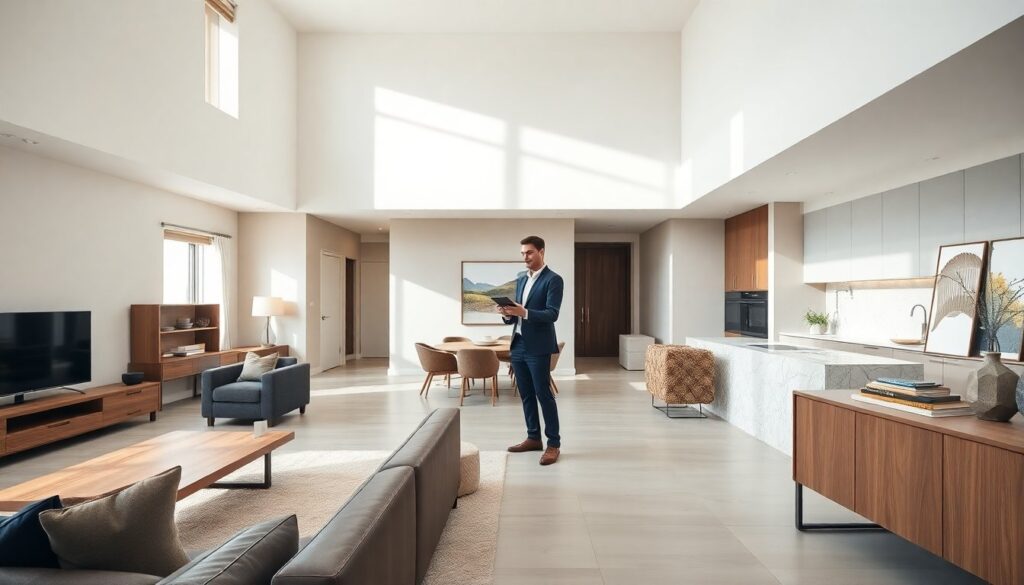
Luxury interiors lidesigndecor set a clear goal: make spaces feel personal and high-quality. The article shows material choices, scale rules, sensory cues, and room tactics. It gives practical steps for buying, budgeting, and care. It stays direct and actionable for readers who want modern luxury in 2026.
Key Takeaways
- Luxury interiors lidesigndecor emphasizes honest, durable materials like solid wood and natural stone to create timeless, high-quality spaces.
- Designers balance scale and sensory elements by choosing furniture sizes to fit room height and layering sight, touch, and sound for a comfortable atmosphere.
- Room-specific strategies include deep-seated sofas in living rooms, durable quartz countertops in kitchens, calm palettes in bedrooms, and waterproof large-format tiles in bathrooms.
- Budgeting prioritizes long-lasting investments such as flooring and beds, while sourcing favors local workshops with attention to joinery, warranties, and delivery care.
- Long-term care involves following material-specific maintenance routines like annual oiling of wood and rotating cushions to extend the luxury interiors’ lifespan.
- Repeating key materials and balanced lighting across rooms creates flow, while scale and circulation planning draws inspiration from large venues to enhance spatial experience.
Defining Modern Luxury: Materials, Scale, And The Sensory Approach
Luxury interiors lidesigndecor favors honest materials that age well. Designers choose solid wood, natural stone, and metal with clear finishes. They match textures to light. They use matte and soft-sheen surfaces to reduce glare. They avoid busy patterns on main surfaces. They place pattern on cushions and art.
Scale guides furniture choice. A designer measures room height and sightlines. They use larger seating when ceilings rise above nine feet. They pick narrower profiles for small rooms. They align furniture with primary sightlines. They allow three feet of circulation at main walkways.
The sensory approach targets sight, touch, and sound. Designers add soft textiles for touch. They add layered lighting for sight. They add acoustic panels or rugs for sound. They place plants for subtle scent and visual life. They use warm white light for living areas and cooler light for task zones.
Luxury interiors lidesigndecor balances contrast and cohesion. Designers pair light walls with darker furniture. They repeat a single accent color across three elements. They keep metal finishes limited to one or two tones. They use high-quality hardware as small anchor points.
Design teams test samples in real light before purchase. They arrange swatches near windows at different times of day. They reject samples that shift hue strongly under warm bulbs. They prioritize samples that hold color and texture under varied light.
Room-By-Room Strategies: Living Room, Kitchen, Bedroom, And Bath
Living rooms for luxury interiors lidesigndecor start with clear function. Designers place seating to support conversation and viewing. They anchor the layout with a rug sized to include front legs of main furniture. They choose sofas with deeper seats for comfort. They add a low-profile media cabinet or a wall niche for screens. They layer lighting: overhead, task, and accent.
Kitchens must balance show and use. Designers select durable countertops such as quartz or honed stone. They choose full-height backsplashes for a clean look. They hide appliances behind panels when the layout allows. They provide open shelving for curated objects. They plan storage by task zones for prep, cooking, and cleanup. They add under-cabinet lighting for clear work surfaces.
Bedrooms for luxury interiors lidesigndecor favor calm palettes and quiet finishes. Designers center the bed on a solid wall. They pick mattresses and pillows for the occupant’s sleep profile. They add bedside lighting with clear dimming control. They place blackout curtains or layered window treatments for sleep control. They include a mix of storage types: drawers, hanging, and open shelves for daily items.
Bathrooms require water-proof materials and clear maintenance plans. Designers use large-format tile to reduce grout lines. They prefer wall-mounted vanities for easy floor cleaning. They select fixtures with serviceable parts and available replacements. They add a heated towel rail or radiant floor where budget allows. They include ventilation that meets local codes to control humidity.
Across rooms, designers reuse key materials to create flow. They repeat a wood tone, metal finish, or tile motif in two or three spaces. They keep color shifts small from room to room. They ensure each space has at least two lighting layers and one tactile surface change.
Practical Luxury: Budgeting, Sourcing, And Long-Term Care
Buyers who want luxury interiors lidesigndecor set a budget by category. They allocate more to long-lasting elements: flooring, sofas, and beds. They spend less on replaceable decor such as cushions and art. They track cost per square foot for major items and compare to local market rates.
Sourcing matters for value. Buyers look for pieces from local workshops and vetted manufacturers. They inspect joinery and finishes in person or via detailed photos. They request warranties and spare parts lists. They compare lead times and factor delivery into timeline decisions. They favor vendors that show care in packaging and returns.
For larger projects, clients keep a 10 to 15 percent contingency. They schedule major deliveries after finishes complete. They hire installers who follow manufacturers’ instructions. They document installations with dated photos and receipts for future warranty claims.
Long-term care extends the life of luxury interiors lidesigndecor. Owners follow care instructions for each material. They oil oil-finished wood once a year. They use pH-neutral cleaners on stone. They replace HVAC filters on a regular schedule to control dust. They rotate cushions and change upholstery cleaning on cycles that match use.
Designers borrow lessons from large venues when they plan sensory impact. They study how the stadium experience adjusts scale and crowd flow and apply similar logic to large residential rooms, particularly in entertaining wings. This idea parallels findings about how venues shape atmosphere in sports settings, as seen in reporting on the role of stadium design in club strategy and fan experience, which influenced interior designers to think bigger about scale and circulation in public spaces like great rooms and home theaters (stadium experience).
Owners who plan maintenance and choose durable finishes lower lifetime cost. They treat high-use surfaces with protective sealers. They schedule annual furniture checks for loose joinery. They store seasonal items in breathable containers to avoid mold.