
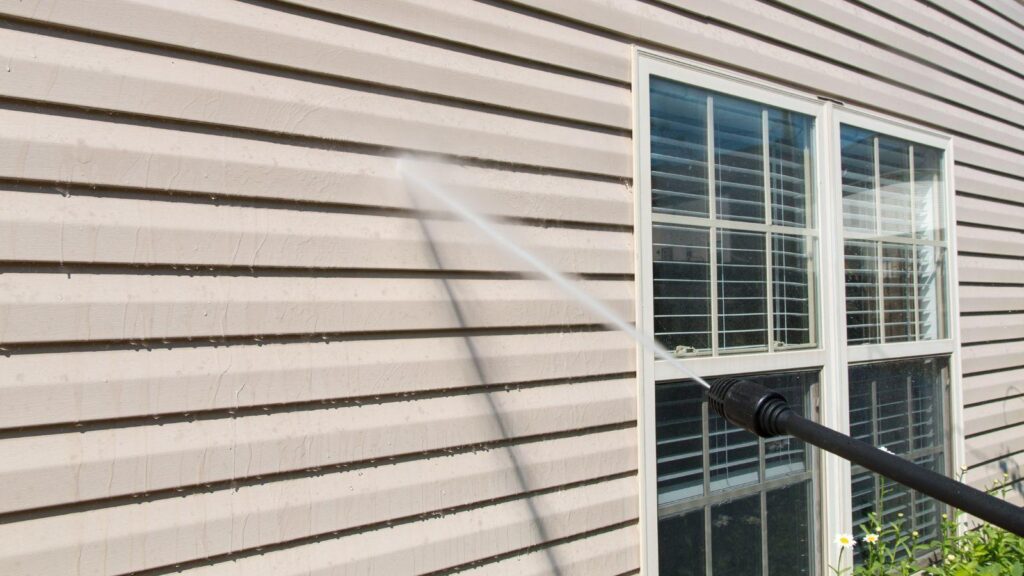
Sussex, New Brunswick, experiences extreme weather conditions, from high summer temperatures to freeze-thaw cycles from winter to spring. These changes often create excessive stress on siding materials, including vinyl. Heat, as well as repeated expansion and contraction, can cause it to warp over time. While the climate is a major factor behind this type of damage, poor siding installation can also play a significant role. If you notice warping, you should consult a licensed siding contractor without delay. Early inspection and repairs can help prevent further damage.
Detecting warping issues in vinyl siding
Heat, excessive sun exposure, temperature fluctuations, moisture, ageing, a low-quality product, and poor installation—any of these factors can be the culprit. Nevertheless, this issue often develops silently and becomes worse before you even realize it. Therefore, you should pay more attention to its maintenance. Regular inspections will allow you to spot any abnormalities sooner. You may notice that a section has become wavy, which should prompt further investigation. Check for bulges, buckling, or loose and misaligned panels. Inspect the areas around heat sources, gutters, doors, windows, and fasteners, as these are common places where problems may first appear. You should call local vinyl siding services Sussex at the slightest sign of damage. Professionals can determine whether your old vinyl siding needs repair or replacement.
Is it possible to fix warping?
It depends on the extent of the damage and its cause. If the siding looks both warped and faded, your siding specialist may advise replacement because the new pieces may fail to match the existing colour, which can affect your home’s curb appeal. However, they may recommend repairs if only a small section or panel of the siding has warped or buckled. They can simply replace the affected parts without disturbing the surrounding areas. Nevertheless, they will first make sure that the damage is limited in scope and that the source of the problem has been identified and addressed. If the remaining siding is in good condition, repairing the damaged section may be enough.
When does replacement make more sense?
In some cases, this decision is easier to make. If the vinyl siding has buckled or warped over a large area, siding professionals will usually recommend replacement. Old siding, distortion caused by heat exposure, poor installation, and other similar issues may also be enough to justify replacing the existing vinyl siding. In some cases, replacing the siding may be a more practical and cost-effective solution than repairing multiple damaged sections. Or, you may choose replacement to improve your home’s exterior appeal.
Nevertheless, warping risks are often preventable. It starts with correct installation and proper maintenance. If you hire the right professionals, you don’t have to worry about the quality of the installation. For help, check Artisanroofing.ca. Experts consider all the factors that can damage your siding and install the panels accordingly. At the same time, they use only the highest-quality vinyl materials and follow proper installation techniques to accommodate expansion and contraction. As a result, your siding lasts longer. On your end, you should make sure your gutters are always clean and functioning properly. Otherwise, clogged gutters can prevent water from draining away from the structure, causing it to seep behind the siding and into the underlying surfaces. It increases the risk of moisture damage and warping over time.