
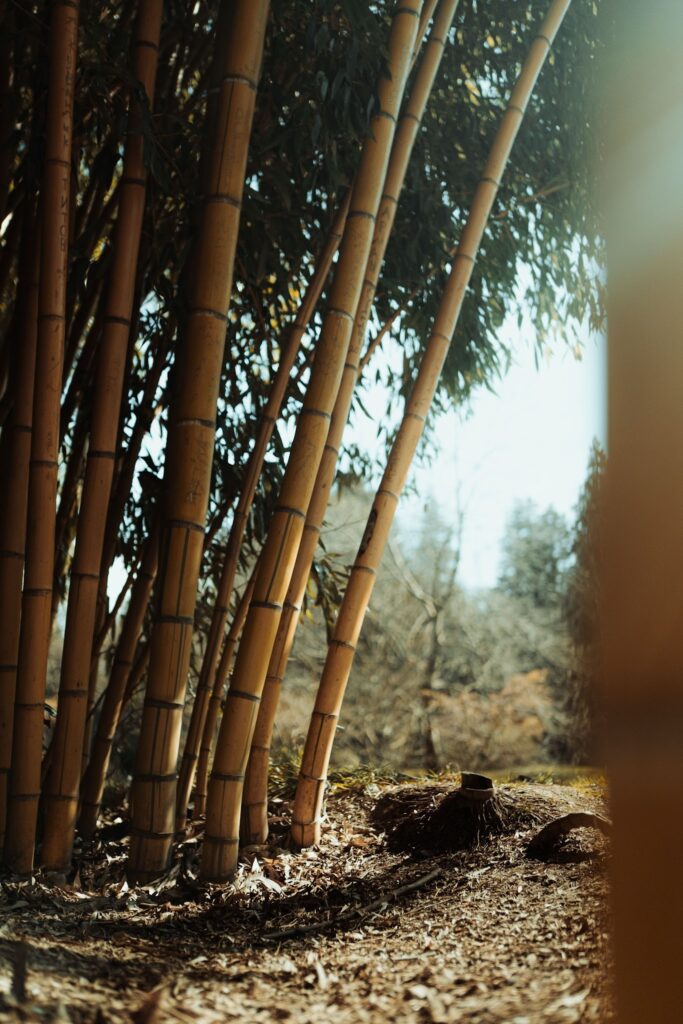
Architects chasing a warm, sculpted exterior for luxury buildings no longer have to risk fire safety. The latest engineered bamboo proves you can give a facade five-star resort style and the toughness of a vault.
Every architect knows the feeling: The client picks a gorgeous material at the mood-board stage, then the fire consultant shows up and, just like that, it’s off the table. That’s been the story with timber-look facades for years. These performance-driven facade design are stunning in the renderings, a headache when the building code comes around. But something’s changed. Premium bamboo siding, once a niche eco-choice, has quietly become a real contender for luxury exteriors, and it’s not just about looks. What really sets it apart is how it handles flame tests.
A material that grew up fast
Bamboo has always had a bit of an image issue in construction. Beautiful? Sure. Sustainable? Absolutely. But tough enough for a five-star resort near the sea or a wildfire-prone hillside? That’s a bigger ask, and the industry’s spent years sorting it out. The world wants answers: The bamboo products market was valued around USD 87 billion in 2026 and should hit almost USD 150 billion by 2036, according to Future Market Insights. A meaningful chunk of that isn’t baskets, it’s construction and architecture.
What really changed things was fusion. Instead of just drying or gluing bamboo strips together, manufacturers started carbonising the fibres to remove the sugars and starch, then fusing them with phenolic resin under intense heat, the same resin family you find in bowling balls. The result? A plank that acts less like grass and more like a tough hardwood composite. DassoXTR, one of the first in fused outdoor bamboo siding, says its boards are about 87% natural bamboo and 13% resin. That ratio matters; it’s the fibre density, not any post-applied fire retardant, that delivers genuine fire resistance.
Class A fire rating is the number that actually matters
Sooner or later, every chat about fire-resistant bamboo facades ends up on one number: Class A fire rating. In the US, that means the ASTM E84 test, which measures a material’s flame spread index. Anything between 0 and 25 gets you a Class A rating, the highest tier. Fused bamboo lands in this bracket, without needing extra fire-retardant coatings that wear off over time. That’s a big difference from treated timber, where its fire safety only lasts as long as its most recent recoating.
Regulations matter, too. California’s Office of the State Fire Marshal keeps a WUI (Wildland Urban Interface) Listed Products Handbook for materials approved for high-fire-severity zones. The 2025 edition specifically names fused bamboo rainclad products in the cladding section, tested to California’s strict SFM 12-7A-1 standard, as Tect reports. For architects working on hillside homes or resort-style architecture where fire risk is real, that listing is often the difference between getting approved or landing back at square one.
Where luxury and resilience actually meet
Here’s where it gets interesting. Warm, natural cladding is almost iconic for top-end hospitality; think timber screens, vertical lines and buildings that seem to grow from their landscape. The catch? Those beautiful materials have always been the most vulnerable to fire, rot or termites.
But that old trade-off is fading. Take two recent examples. In Madrid, Grupo Gubia has developed their luxury building exteriors with laminated bamboo features for the Mandarin Oriental Residences, a high-end residential project. They’re using 125×50mm bamboo profiles for terrace ceilings and exterior brise-soleils, according to Grupo Gubia. This project is built on the idea that a five-star brand can put bamboo front-and-center without giving up weather performance. In March 2026, Perkins&Will matched bamboo cladding with green-toned corten steel on a residential building in Brazil.
Moisture and insect resistance is the quiet workhorse benefit
Fire grabs the headlines, but moisture and insect resistance might be the bigger deal for owners, day after day. Raw bamboo still has sugar and starch, which mould, fungi and termites absolutely love. Fusion wipes out that food source completely. DassoXTR’s siding only needs a quarter-inch ventilation gap behind the boards, compared to the three-quarters-inch for solid timber, because fused bamboo just doesn’t swell or move the way raw wood does, according to the dassoXTR product page.
Competing engineered bamboo cladding comes with density ratings above 72 lbs per cubic foot, and a Brinell hardness over 9.5 kg/mm²; harder than most tropical hardwoods, per Products Direct. That density is exactly why insects and fire can’t get a foothold; there’s less air and almost nothing digestible left.
Eco-luxury materials with a paper trail
None of this means much if there’s no paperwork behind it. At the premium end, long-term warranties are table stakes, not a bonus, and fused bamboo usually ships with roughly 20-year limited warranties, Class A fire certification and code-compliance documents, according to Panel Guys.
For architects specifying eco-luxury products, that long-term warranty siding and certifications like Miami-Dade or ICC-ES turn a sustainability story into risk management, exactly the language developers and insurers want to hear.