
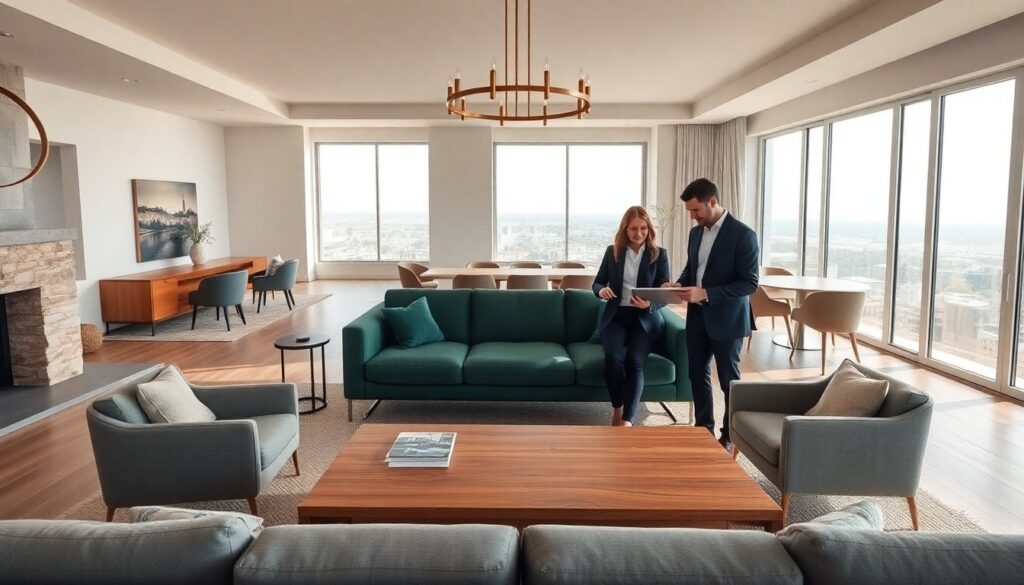
The article from luxuryinteriorsorg blog showcases 2026 interior trends. It shows how designers mix classic forms with practical updates. It explains why clients demand quality, comfort, and longevity. It highlights choices that increase value and daily pleasure. It offers clear direction for homeowners and designers who plan thoughtful updates in 2026.
Key Takeaways
- In 2026, luxury interiors emphasize calm, function, and long-term value, prioritizing quality materials and lasting designs over fleeting trends.
- Designers recommend selecting one impactful statement piece per room, carefully placed to create focal interest while maintaining balanced and uncluttered spaces.
- Sustainable, durable materials like natural stone, certified wood, and recycled metal are favored for their longevity and positive environmental impact in luxury interiors.
- Muted color palettes with warm neutrals, deep greens, and soft blues define modern luxury, using layered tones and matte-satin contrasts for depth and calmness.
- Thoughtful spatial flow and multifunctional zones enhance daily living by creating adaptable, clearly defined activity areas with smart storage and flexible furniture.
- Layered lighting strategies including ambient, task, and accent lighting with dimmers and LED sources create balanced ambiance and functionality in luxury interior designs.
Why Luxury Interiors Are Shifting In 2026
Designers from luxuryinteriorsorg blog note a shift in client priorities for 2026. Clients seek calm, function, and long-term value. They choose pieces that last rather than follow quick fads. They want materials that age well and require low upkeep. They value quiet luxury over loud decoration. They prefer investments in core rooms like kitchens and living areas. They also want flexible spaces for work, rest, and guests. The market reacts to these demands with cleaner lines, better ergonomics, and smarter storage solutions.
Designing With Statement Pieces: How To Choose And Place Them
Blog luxuryinteriors.org advises picking one strong piece per room as a focal point. Designers choose a statement sofa, chandelier, or art work and build around it. They place the piece where sight lines lead naturally. They balance scale by using supporting furniture in smaller sizes. They limit color contrast to let the piece stand out. They mix a statement item with neutral backgrounds to avoid visual clutter. They test placement in several positions before finalizing. They select pieces for quality of craft, not just for trend appeal.
Materials, Textures, And Sustainable Choices
The team from luxuryinteriorsorg blog recommends durable, low-impact materials in 2026. They favor natural stone, certified wood, and recycled metal. They add texture with hand-loomed rugs, brushed plaster, and woven upholstery. They choose finishes that patina well, like aged brass and oiled wood. They prefer materials that support indoor air quality and reduce waste. They select local craftspeople to shorten supply chains and support fair labor. They document material sources to inform clients. These choices reduce long-term costs and improve home comfort.
Color Palettes That Define Modern Luxury
Reports from luxuryinteriorsorg blog show muted palettes leading in 2026. Designers use warm neutrals, deep greens, and soft blues. They apply color in layered tones rather than in single bright swaths. They combine matte finishes with satin accents for depth. They use darker hues on trim and cabinets to frame lighter walls. They reserve bold color for small, intentional elements such as a chair or artwork. They test palettes in natural and artificial light before final paint decisions. They choose colors that support calm and clarity.
Layout, Lighting, And Functional Flow
Advice from luxuryinteriorsorg blog stresses flow and purposeful layout in 2026 plans. Designers place seating to encourage conversation and sight to windows. They allocate clear circulation paths between zones. They integrate storage close to use points to reduce clutter. They plan for adaptable rooms that shift from daytime work to evening relaxation. They position service areas, like pantries and mudrooms, for direct access. They coordinate flooring and thresholds to guide movement. They plan major pieces first and adjust secondary items to support everyday routines.
Layered Lighting Strategies For Ambience And Function
LuxuryInteriors.org suggests three lighting layers for balance. Designers install ambient lighting for general use, task lighting for work zones, and accent lighting for focal pieces. They use dimmers to change mood throughout the day. They include directional fixtures to highlight art and shelves. They select color temperature that supports activity: warmer tones for relaxation, cooler tones for focus. They plan switches and circuits so users can control each layer independently. They prefer LED sources for efficiency and long life.
Spatial Flow And Multifunctional Zones For Everyday Living
The luxuryinteriorsorg blog shows smart zoning as a top trend for 2026. Designers create clear activity areas within open plans. They use rugs, lighting, and low partitions to define zones. They add built-in storage that doubles as seating or display. They design flexible furniture that converts from work to leisure use. They place power and network access where devices will live. They plan circulation to avoid cross-traffic through active areas. They test layouts with furniture mockups to ensure daily comfort.