
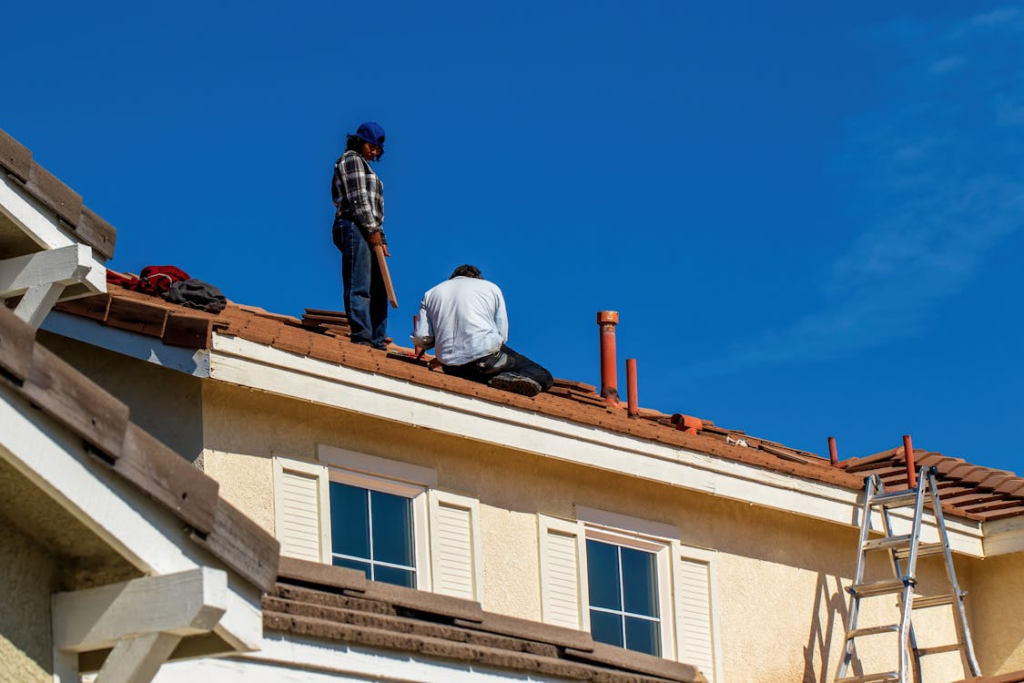
Lots of people loosely understand what the various parts of their house are. However, they are not aware of the smaller pieces that make up the larger whole. One of the parts of a home’s roof that most people are not aware of is the soffit. This is the horizontal surface under the overhang of your roof.
Soffit damage can lead to major issues with the health and well-being of your roof, as well as the surfaces deeper within your walls. Water damage can easily spread from a damaged soffit and cause your home to grow black mold or to suffer water-based damage that is expensive to repair. You need to be aware of the signs of soffit damage so that you can be sure to take care of issues when and if they crop up.
How to Know if a Soffit on Your Home is Damaged
While it might seem like your soffits are a small part of your home, they are actually a key part of your home’s overall protection against pests and bad weather. This is a very visible portion of your roofline and, therefore, quite easy to check on from time to time. You should have no trouble keeping tabs on this part of your roofline if you know what to look for.
1. Rot or Mold
If the wood in the area of your soffit feels spongy or wet, or if it crumbles when you touch it, this is a sign that there is rot or mold impacting this part of your roofline. This can happen when a soffit is cracked or damaged, and water seeps under it for weeks or even months. This water damage can be present on the exterior of the soffit, or it might just be underneath the surface, where it’s harder to detect.
2. Structural Sagging
A sagging roofline or sagging in the boards of your home’s siding just under the soffit can also indicate that there have been major issues with the soffit that have led to moisture damage. Warping and separating boards can lead to water incursion deeper into your home, and you could even find water running down the walls the next time there is rain. Structural sagging is very serious and requires immediate action to prevent further damage.

3. Blocked Ventilation
Soffits often provide attic ventilation. Damage to a soffit can lead to issues with the ventilation in your home. This might be the first symptom that something isn’t right with your soffits, and it’s a good reason to check the area around the vents in your home. Increased energy bills, excessive heat in the attic during the summer months, or condensation on the underside of the roof can all be signs that your ventilation has been negatively impacted by soffit damage.
4. Pest Infestation
If you are seeing birds, insects, or rodents in your attic spaces, it’s likely that your soffits have been damaged. This is more common if you live in a forested area, but it is something that can impact a home in any location if there are issues with the well-being of the soffits protecting the roof. Pest infestation can be very hard on your home and can lead to a variety of different kinds of invaders all taking up residence within your home at the same time. You can prevent most of these issues by making sure that your soffits are in good shape.
How to Inspect Soffits
You might be wondering how to inspect your soffits. This is something that you can actually often see just walking around and looking up at the eaves around your home. If your roof is quite tall, binoculars can be a big help in some cases.
The gutters can also give away issues with your soffits. Clogged or damaged gutters can lead to water overflowing and damaging the soffit. Over time, the soffit will sag, or the gutter might show clear issues that lead you to check the surfaces under it and around it.
You can also do a tap test, which is conducted by gently poking the wood of your soffit with a screwdriver. If it sinks, then your soffit needs repairs.
Don’t wait until you see signs of major issues with your soffits or your roof. You should have any suspected issues looked at as soon as possible. This is true if you spot soffit damage during the summer months as well. By the time the rainy season has come around, it might be too late to fix your roofline to prevent long-term or significant damage to your home.
Another factor that many homeowners tend to miss is that soffit damage can allow pests to have free access to your home. This can lead to animal infestations or significant incursions of insects like termites. While not always a factor, you might be surprised at just how likely it is that you will end up with insect or animal issues due to damaged soffits on the surface of your home.

Soffits Are an Important Part of Your Home’s Weather Protection
The soffits on your home are a critical part of the protection that keeps your roof and your house itself from being damaged by water and pests. You need to be aware of the signs that your soffits need repairs or replacement so that you don’t have issues with the well-being of your home. This is something that you can typically catch with a simple inspection, but you might want to have a roofing or siding expert come and take a look at the exterior surfaces of your home on a routine basis to make sure that things are in good shape.
Soffits help with the curb appeal of your house, but are also very important to the functionality of your home. You should make sure that you know what to check for and that you are on the lookout for issues with your home’s exterior surfaces to prevent major and costly issues.