
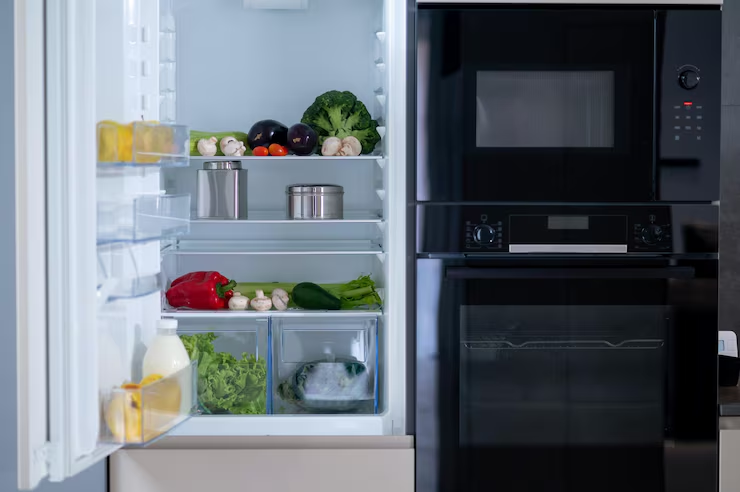
Select an incandescent or LED variant tailored for low temperatures. LED options generally boast longer lifespans and lower power consumption compared to traditional incandescent types. If brightness is a priority, opt for bulbs with higher lumen ratings, as they provide clearer visibility in chilled compartments.
Consider the base type of the fixture to ensure compatibility with your selected bulb. Common types include E26 and E14. Double-check the wattage limit specified for your appliance to prevent potential damage or safety hazards.
Read product specifications carefully to select units specifically designed for extreme cold. This will prevent premature failure and maintain reliable performance. Some options are also designed to resist moisture, a noteworthy feature in humid environments.
Finally, evaluate the color temperature to determine the ambiance within your freezing unit. Cooler temperatures around 5000K provide a more daylight-like appearance which may enhance product visibility, while warmer options around 3000K create a softer glow.
Understanding Different Types of Freezer Bulbs
A freezer light bulb should be compatible with your freezer model and designed to withstand the low temperatures inside the appliance.
LED options are highly recommended for their longevity and low energy usage. These illuminate efficiently while withstanding low temperatures, making them ideal for refrigeration areas.
Incandescent versions offer a warm glow but are less energy-efficient. They generate more heat, which can be counterproductive in cold environments. Lifespan spans around 1,000 hours, significantly shorter compared to LED.
Compact fluorescent lights (CFLs) represent another alternative. They utilize about 75% less energy than incandescent while providing a decent light output. However, they contain small amounts of mercury, necessitating careful disposal when burnt out.
Specialty bulbs designed specifically for cold environments exist and perform optimally in sub-zero settings. These conserve energy and resist breaking due to fluctuations in temperature.
Choosing the appropriate brightness, typically measured in lumens, greatly impacts visibility within storage units. An output of 500 to 1,200 lumens is suggested, depending on size and layout.
Color temperature proves vital for clarity while searching for items. A color range between 3000K and 5000K strikes a balance between warmth and brightness, enhancing the overall visibility inside storage spaces.
Watch for dimmable options that allow for customizable illumination levels, enhancing functionality. While not necessary for all users, dimming can be advantageous in some situations.
Verify compatibility with existing fixtures before finalizing a purchase. Some sockets may demand specific bases or wattage ratings, ensuring a proper fit for enhanced functionality.
Key Specifications: Watts, Lumens, and Lifespan
For optimal functionality, a bulb should typically utilize 15 to 25 watts for efficient illumination in cold storage areas. This wattage range ensures that energy consumption remains low without compromising brightness levels. A lower wattage translates to reduced energy bills while still delivering sufficient light for visibility.
Understanding Lumens
Lumens measure light output and reflect how bright a bulb appears. In freezing environments, opt for a bulb that emits at least 300 lumens to guarantee adequate visibility. Higher lumens result in brighter light, which is particularly beneficial when searching for items in dimly-lit spaces.
A key aspect often overlooked is the relationship between watts and lumens; not all bulbs provide the same brightness for equivalent wattage. Therefore, consider lumens as a primary factor when assessing brightness and suitability for specific conditions.
Lifespan Considerations
Lifespan plays a significant role in long-term costs and convenience. Ideally, select products boasting a lifespan ranging from 15,000 to 25,000 hours. Longer-lasting bulbs reduce the frequency of replacements and maintenance, allowing for uninterrupted use.
Additionally, factor in the environment where the bulb will operate. Cold temperatures can affect the longevity of certain types, such as incandescent bulbs, which may dim or burn out more rapidly. LEDs tend to outperform other varieties in such conditions, making them a practical choice.
In summary, focus on wattage that keeps energy costs down, lumens for sufficient brightness, and lifespan to minimize upkeep. Making informed decisions based on these specifications ensures reliable and effective lighting in challenging conditions.
Energy Efficiency Ratings and Their Importance
Consider opting for bulbs that showcase high energy efficiency ratings, such as those classified under the Energy Star or similar systems. These ratings indicate lower power consumption while maintaining adequate brightness. Choosing products with these certifications not only reduces electricity expenses but also contributes to a smaller carbon footprint.
Understanding Ratings
Energy ratings typically range from A to G, with A being the most efficient. When selecting a light source, examine the lumens per watt ratio; this measurement reflects how much light is produced for each watt of energy consumed. A higher lumen output at lower wattage is indicative of a superior product.
- Check for a lumens rating that meets your illumination needs.
- Look for low wattage options that do not compromise brightness.
Using energy-efficient illumination not only mitigates utility costs but also often aligns with utilities’ incentives, potentially offering rebates for purchasing high-rated bulbs. Furthermore, long-lasting options reduce replacement frequency, thus lowering waste and overall expenditure on lighting solutions.