
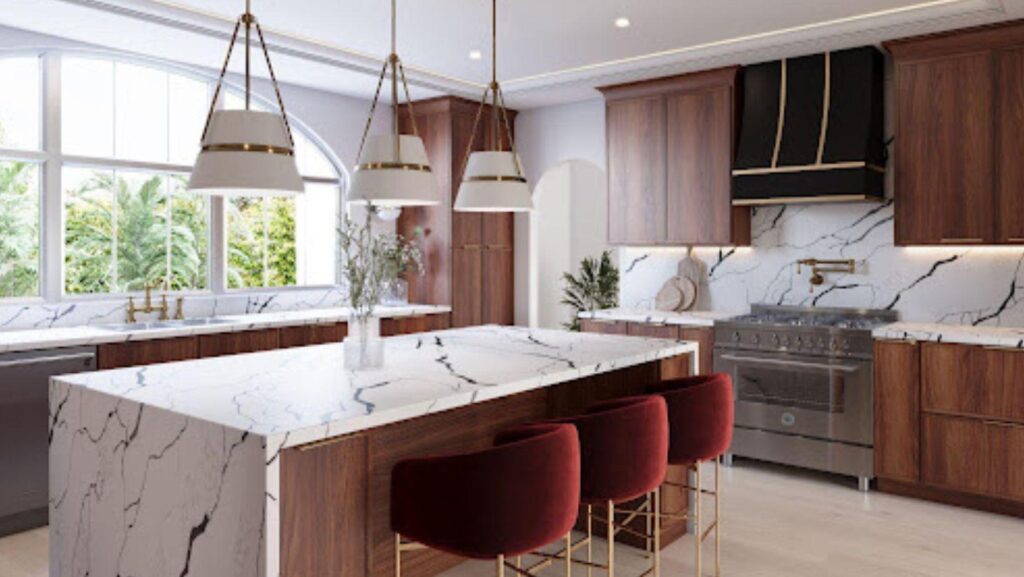
A refined kitchen is shaped by more than cabinet color, lighting, or decorative details. The surfaces that are used every day often determine whether the room feels polished, practical, and easy to live with over time.
Among those surfaces, countertops carry a major role. They influence the kitchen’s visual tone, support daily routines, and connect surrounding elements such as cabinetry, backsplash, flooring, hardware, and appliances. For homeowners comparing design options, quartz countertops continue to be one of the most versatile choices for creating a kitchen that feels elevated without becoming difficult to maintain.
A successful countertop selection should not be based on appearance alone. The right surface should suit the home’s architecture, the homeowner’s lifestyle, and the level of care the household is realistically willing to provide.
Quartz Offers a Polished, Consistent Look
One reason quartz remains popular in high-end kitchen design is its visual consistency. Natural stone can be beautiful, but its movement, color variation, and veining may differ significantly from slab to slab. That variation is part of its appeal, but it can also make selection more complex. Quartz offers a more controlled appearance, making it easier to create a clean and coordinated kitchen design.
For homeowners who want a soft marble-inspired look without the unpredictability of natural stone, quartz can provide subtle veining, balanced color, and a refined surface that works across many design styles. This consistency is especially helpful in kitchens with large islands, long perimeter counters, or open layouts where the countertop is visible from several rooms.
It Works Across Many Kitchen Styles
Quartz is not limited to one type of interior. In a modern kitchen, a quiet white or warm gray quartz surface can support flat-panel cabinetry, minimal hardware, and clean architectural lines. In a transitional kitchen, a marble-look quartz can soften shaker cabinets and create a timeless effect. In a warm traditional kitchen, cream, beige, or taupe-toned quartz can complement wood cabinetry and classic detailing.
The versatility of quartz allows it to act as either a supporting element or a design focal point. A subtle quartz pattern can let cabinetry, lighting, or architectural features take the lead. A more dramatic pattern can create movement and visual interest, especially on an island or waterfall edge. The key is choosing the level of pattern that matches the scale and personality of the room.
Countertops Should Be Chosen With Cabinets
Countertops and cabinets should never be selected in isolation. Cabinetry occupies a large amount of visual space, while countertops create the horizontal surfaces that frame the kitchen. If the two choices do not work together, the entire design can feel disconnected.
Light cabinets with light quartz can make a kitchen feel open and calm, but the design may need contrast through hardware, flooring, lighting, or backsplash. Dark cabinets paired with light quartz can create a striking and sophisticated look, especially when the room has enough natural light. Wood cabinets with quartz can feel warm and balanced when the undertones are carefully matched.
The goal is for the materials to feel intentional together. Before finalizing a countertop, homeowners should review samples beside the actual cabinet door style, flooring, backsplash options, and wall colors.
Quartz Can Help Create a Cleaner Visual Flow
Luxury interiors often feel calm because the materials are edited, not excessive. Quartz can support that type of design because it allows homeowners to create visual continuity. The same surface can be used on perimeter counters, islands, backsplashes, or waterfall edges depending on the desired effect.
A continuous quartz backsplash can make a kitchen feel sleek and architectural. A waterfall island can create a strong focal point without adding extra ornament. A quiet perimeter countertop can help a dramatic range wall or statement lighting feel more intentional.
This ability to simplify the room visually is one of quartz’s strongest design advantages. Instead of relying on many competing finishes, homeowners can use quartz to create a clean foundation, then add warmth and personality through wood tones, hardware, lighting, and decor.
Maintenance Matters in a Beautiful Kitchen
A kitchen should not only look luxurious when it is newly installed. It should remain beautiful through everyday cooking, cleaning, entertaining, and family routines. This is where maintenance expectations become important.
Some natural stones require sealing and more careful attention to spills, stains, and acidic ingredients. Quartz is often chosen by homeowners who want an elegant appearance with a more manageable care routine.
That does not mean quartz is indestructible. Homeowners should still use cutting boards, trivets, and appropriate cleaning products. Harsh chemicals, extreme heat, and abrasive tools can damage many countertop surfaces. However, for households that want a refined kitchen without constant concern over every use mark, quartz can provide a strong balance of beauty and practicality.
The Edge Profile Changes the Mood
The countertop edge may seem like a small detail, but it affects the kitchen’s finished character. A simple eased edge works well in modern and transitional kitchens because it looks clean and understated. A slightly rounded edge can soften the room and feel more traditional. A thicker mitered edge can make an island feel more substantial and architectural.
In luxury kitchen design, the edge profile should support the rest of the room rather than compete with it. A highly detailed cabinet door may pair better with a quieter countertop edge. A sleek cabinet style may allow for a bolder waterfall or thicker island edge.
The right choice depends on proportion, scale, and the overall design direction. Small details often make the difference between a kitchen that looks assembled and one that feels designed.
Consider the Backsplash Relationship
The backsplash should be planned at the same time as the countertop. Some homeowners prefer a tile backsplash that contrasts with the quartz. Others prefer to continue the countertop material up the wall for a seamless look. Both approaches can work beautifully, but each creates a different effect.
Tile can introduce texture, pattern, and character. A slab backsplash can create a quieter, more architectural appearance. In a luxury kitchen, a full-height quartz backsplash behind the range or around a focal wall can feel especially polished.
The important question is how much visual activity the kitchen can handle. If the quartz has strong veining, a simple backsplash may be best. If the quartz is very subtle, the backsplash can carry more texture or pattern. The countertop and backsplash should support each other rather than compete for attention.
Lighting Affects How Quartz Appears
Lighting can change the way quartz looks in the finished kitchen. A surface that appears warm in a showroom may look cooler under certain LED lighting. Subtle veining may become more visible under under-cabinet lights. A bright white countertop may reflect light differently depending on the cabinet color, wall color, and window placement.
For this reason, lighting should be considered before the final countertop decision is made. A layered lighting plan can help the surface look its best. Recessed lighting provides general illumination. Under-cabinet lighting improves visibility for preparation. Pendants over an island can highlight the countertop as a central design feature. A beautiful surface deserves lighting that reveals its depth, color, and texture properly.
Match the Surface to the Home’s Long-Term Style
The most successful kitchens are designed for the home, not just for the current trend cycle. Quartz is available in many colors and patterns, from soft and quiet to bold and dramatic. While statement surfaces can be beautiful, homeowners should consider whether they will still enjoy the look years later.
For long-term appeal, the most permanent choices should feel connected to the architecture of the home. Trend-driven details can be introduced through hardware, lighting, stools, accessories, or paint, which are easier to update later. A timeless kitchen does not have to be plain. It simply needs a clear design point of view that can age gracefully.
A Thoughtful Surface Choice Elevates the Entire Kitchen
Quartz can be an excellent foundation for a kitchen that feels elegant, functional, and easy to maintain. Its design flexibility allows it to work with many cabinet styles, color palettes, backsplash ideas, and lighting plans.
The strongest results come from choosing the countertop as part of the whole room. Cabinetry, flooring, hardware, backsplash, appliances, and lighting should all be reviewed together before final decisions are made.
A luxury kitchen is not created by one material alone. It comes from the relationship between beauty, function, proportion, and daily comfort. When selected thoughtfully, the countertop becomes more than a work surface. It becomes one of the design elements that gives the kitchen its sense of refinement, balance, and lasting value.
By Timeless Kitchen Outlet
Timeless Kitchen Outlet is a locally owned and managed kitchen cabinet and remodeling showroom located in Orlando, Florida. The company serves homeowners throughout Central Florida with kitchen and bathroom cabinets, countertops, design assistance and renovation support.