
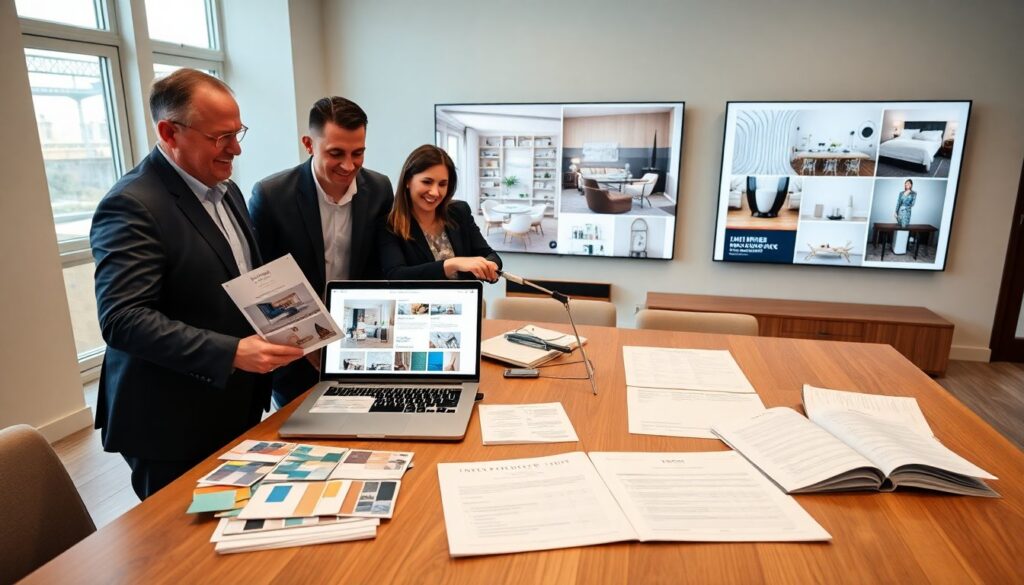
luxuryinteriored.org lists curated resources for high-end interior design. The site groups articles, product guides, and toolkits. It helps readers find style references, material specs, and trusted vendors quickly. The language stays clear and practical so users can plan projects without confusion.
Key Takeaways
- LuxuryInteriorEd.org serves as a comprehensive project hub for luxury interior design, offering curated articles, product guides, and expert commentary to streamline planning.
- The site features practical tools like mood board templates, budgeting spreadsheets, and checklists that help users manage every phase from concept to installation effectively.
- Users can create detailed project files, build mood boards, compare products, assign budget costs, and share project packages with vendors for seamless collaboration.
- LuxuryInteriorEd.org provides clear glossary definitions and technical references to simplify complex materials and systems, enhancing informed decision-making.
- The step-by-step workflow breaks down projects into phases with actionable tasks and deliverables, supported by checklist templates and negotiation tips to prevent common pitfalls.
- By encouraging thorough documentation and professional communication, the site helps reduce disputes and ensures a smooth luxury interior design process.
What LuxuryInteriorEd.org Offers: Content, Tools, And Inspiration
LuxuryInteriorEd.org offers curated articles, product roundups, and visual guides. The site highlights trends, finishes, and lighting options. It lists fabric swatches and material suppliers with contact details. The editors add expert commentary and clear buying notes.
The site keeps a gallery of room vignettes. The gallery shows color schemes, furniture placement, and lighting plans. Each image links to a supplier or a detailed shopping list.
The resource section groups tools by task. Users find mood board templates, budgeting spreadsheets, and measurement checklists. The templates use simple fields so users can enter values and get totals fast. The spreadsheets include sample markups and trade discounts.
LuxuryInteriorEd.org maintains a glossary of terms. The glossary defines materials, joinery types, and common finish codes. The entries use plain language so readers can compare spec sheets without confusion.
The site curates technical references when needed. For example, it links to external pages that explain specific systems and operation. This approach helps readers verify technical claims before they buy or specify products. The site pairs those references with plain-language summaries.
How To Use The Site To Plan A Luxury Interior
A visitor can use LuxuryInteriorEd.org as a project hub. They can gather inspiration, track choices, and share notes with a contractor.
First, the visitor creates a project file on the site. They add room dimensions, a target finish level, and a budget range. The site prompts them to add style keywords and preferred materials.
Second, the visitor builds a mood board from the gallery. They combine images, color chips, and supplier links. The mood board exports to a PDF that the visitor can send to a design partner.
Third, the visitor compares products using the site’s comparison tables. The tables show dimensions, available finishes, lead times, and warranty terms. The visitor can sort by price or delivery time and then flag items for a final list.
Fourth, the visitor uses the budgeting tool to assign costs. The tool separates material, labor, and contingency. It shows a running total and flags line items that exceed the budget.
Fifth, the visitor shares the project with vendors. The site creates a single package with specs and images. The vendor can view the package and respond with quotes or questions.
LuxuryInteriorEd.org also points to technical references on rare elements. For instance, a section on specialty roof systems links to official documentation that describes panel operation and shading control. That external page details independent panel movement and shading options, which matters when a design includes a retractable roof system, and it can help a client confirm feasibility before finalizing a plan. The site keeps that link as a single technical source for readers who need precise mechanical data. retractable roof details
The site lists common lead times for custom work. The list shows average production time for upholstery, millwork, and specialty glass. The visitor uses those numbers to plan ordering and installation windows.
Step-By-Step Project Workflow: From Concept To Installation
The workflow on LuxuryInteriorEd.org breaks a project into clear phases. Each phase includes tasks, deliverables, and sample timelines.
Phase 1: Concept. The user captures inspiration and sets a budget. They choose a primary material palette and a key focal piece. The deliverable is a mood board and a one-page brief.
Phase 2: Design Development. The user picks finishes and furniture. They upload room measurements and order samples. The deliverable is a 2D plan and a short product list.
Phase 3: Specification. The user finalizes specs and creates purchase lists. They attach warranty terms and finish codes. The deliverable is a spec book that vendors can quote from.
Phase 4: Procurement. The user sends the spec book to vendors and collects quotes. They set deposit terms and confirm lead times. The deliverable is an approved purchase list and an installation calendar.
Phase 5: Installation. The contractor follows the installation calendar and marks each milestone. The user tracks progress and inspects critical handoffs. The deliverable is a site punch list and final acceptance sign-off.
The site gives checklist templates for each phase. The templates include common pitfalls and quick fixes. For example, the procurement checklist reminds users to confirm finish samples against full-scale mockups. The installation checklist reminds users to verify outlet heights and door swing clearances before finishes go in.
LuxuryInteriorEd.org also offers negotiation tips and sample emails. The tips show how to ask for lead-time guarantees and how to request a staged delivery. The sample emails let users save time and keep communication professional.
Throughout the workflow, the site encourages clear documentation. It recommends keeping a single project folder with photos, invoices, and signed change orders. This habit reduces disputes and speeds final payments.