
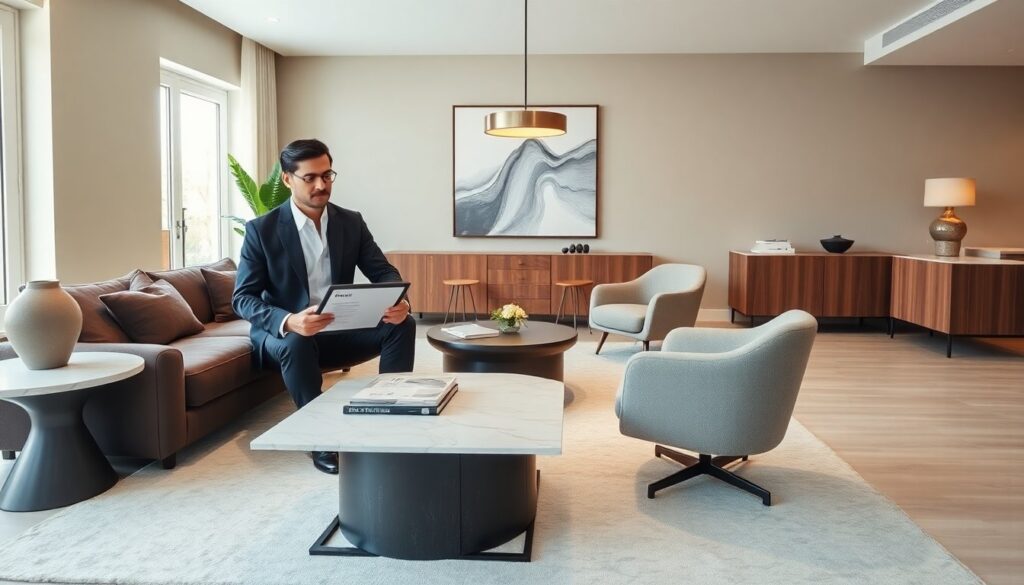
The article pulls highlights from luxury interior coverage and trends. The phrase from luxuryinteriors.org blog appears early to mark the source. The piece gives clear trend signals and practical tips. The reader gets visual cues, material guidance, and sourcing directions. The tone stays factual and direct. The guide fits designers, buyers, and readers who follow high-end interiors.
Key Takeaways
- The primary luxury interior design trends for 2026 emphasize layered textures, sculptural lighting as focal art, and warm neutrals paired with deep accent colors, highlighting restraint and craftsmanship.
- Choosing one standout piece per room, such as unique furniture or dramatic lighting, can elevate a luxury interior while keeping other elements calm and balanced.
- Sustainable luxury is growing, with increased use of recycled materials, responsibly sourced wood, and transparent product data enhancing both value and resale potential.
- Practical strategies for achieving a high-end look on a budget include focusing on a high-impact material, strategic paint use, layered lighting, and mixing real materials with quality alternatives.
- Sourcing high-end furniture and finishes successfully involves using a mix of direct makers, gallery dealers, local craftsmen, and vetted online showrooms while requesting samples and tracking lead times to ensure project smoothness.
- Designers rely on photography-driven galleries to understand material aging and finish visibility on camera, aiding in selecting surfaces that perform well in both live and visual presentations.
Top Luxury Interior Design Trends To Watch In 2026
Design editors report trends from luxuryinteriors.org blog and industry sources. They list several clear directions for 2026. Statement one: layered textures gain emphasis. Designers pair velvet, matte stone, and soft metals. Statement two: sculptural lighting acts as focal art. Practitioners mount large pendant forms and curved floor lamps. Statement three: warm neutrals return with deep accent colors. Teams combine sand tones with olive green or burnt sienna.
They also note a move to smaller series furniture instead of long runs. Makers craft chairs with unique profiles and side tables with mixed materials. They show how one or two special pieces lift a room. They advise clients to pick one standout item per room and keep other items calm.
Sustainable choices increase in high-end projects. Brands use recycled metals, responsibly sourced wood, and low-VOC finishes. Buyers expect transparent product data and repair options. The trend links craftsmanship with lifespan and value. Editors cite examples and case studies that show higher resale value for well-documented pieces.
Color palettes shift slowly but clearly. Designers favor layered beige fields with single strong accents. They pair soft plaster walls with deep blue cabinetry or jewel-toned upholstery. This approach gives calm and intent in the same space. The trend list from luxuryinteriors.org blog highlights restraint, craft, and single-piece focus.
How To Create A Luxe Look On Any Budget: Materials, Color, And Layout Strategies
The guide from luxuryinteriors.org blog shows practical steps to achieve a high-end look with modest spend. The first step: choose one high-impact material. A single marble or onyx accent table creates a luxe anchor. The second step: use paint strategically. A strong wall color or a painted cabinet offers the look of custom work at lower cost. The third step: focus on light. Layered task and ambient light give depth and perceived value.
They recommend mixing real materials with quality alternatives. Use veneer or porcelain that mimics stone for large surfaces. Use solid wood on small, visible pieces. Buyers save money and keep a strong visual core. The guide advises investing in durable textiles for seating. Fabric that cleans well preserves the look over time.
Layout rules stay simple. Center the main seating around a single focal piece. Leave paths clear for movement. Small rooms benefit from floating furniture and slimline legs. The guide also suggests scale checks. Oversized art and a single dramatic light fixture help small rooms feel intentional.
They provide shopping tactics. Hunt for gently used designer pieces and reupholster them. Pair one authentic piece with three accessible items. That mix sells the eye and reduces cost. For sourcing help on event-style setups, the guide links to a practical post that explains live blogging structure and updates, which designers use when they cover shows and fairs for quick notes and photos (live blog basics). The post helps teams plan show coverage and source timely items.
Where To Source High‑End Furniture, Lighting, And Finishes (Online And Locally)
The resource list from luxuryinteriors.org blog names both direct makers and trusted dealers. Buyers can order from ateliers, gallery dealers, and vetted online showrooms. They often mix direct custom work with curated retail finds. Local craftsmen offer cabinet and joinery work that matches high-end finishes at lower labor cost.
For photography-driven inspiration and product spotting, design teams study image galleries. Those galleries reveal year-by-year shifts in styling and model shoots, which inform mood boards. One gallery that catalogs themed shoots shows how materials age in photos and which finishes read well on camera (body-paint gallery). Designers use that insight when they pick reflective or matte surfaces for shoots.
The guide lists practical vendor types. Use a gallery dealer for one-off lighting and art. Use an accredited fabric house for wide-width upholstery textiles. Use a stone yard for slabs and a porcelain supplier for large-format tiles. The guide also suggests direct contact with manufacturers for lead-time clarity and sample availability.
They include shopping tips. Request samples and test them in room light. Ask for finish mockups on small panels. Check return and repair policies before purchase. Track lead times and plan installation dates with vendors. When buyers follow these steps, they reduce surprises and keep the project on schedule, which helps the final space look intentional and finished.