
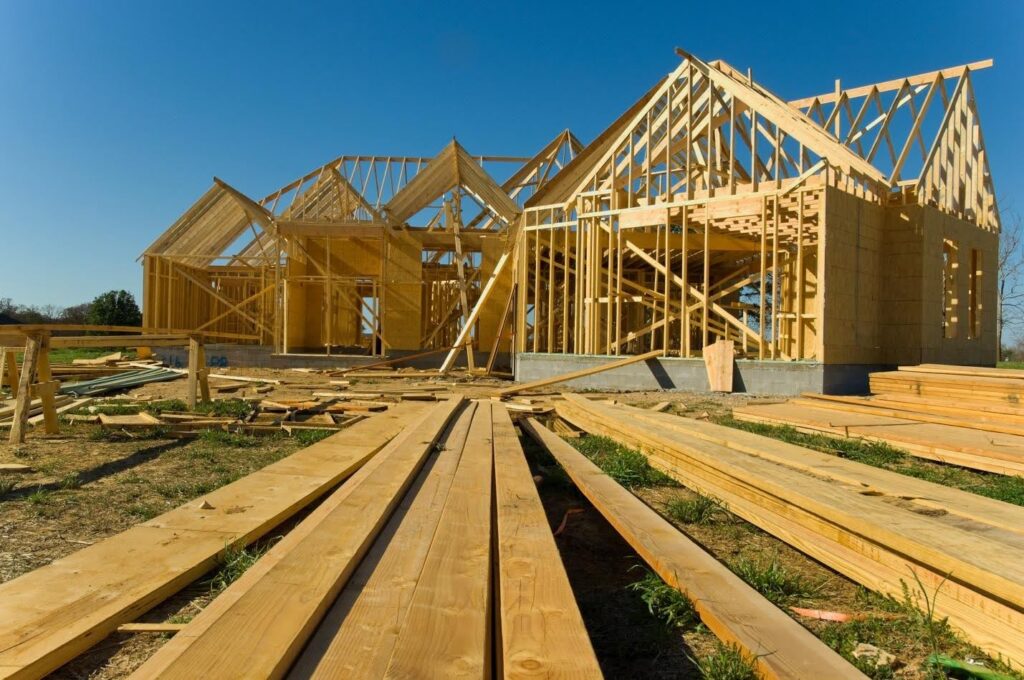
For experienced real estate developers, hiring a general contractor is not just another step in the process – it is a pivotal decision that directly impacts timelines, budgets, and overall project success. Developers who have completed multiple projects understand that the right contractor does more than just build – they provide structure, predictability, and accountability throughout the entire process. Rather than focusing solely on cost, experienced developers evaluate contractors based on performance, systems, and reliability to find a contractor who delivers the best results and long-term value.
Thorough Project Planning
Experienced developers expect contractors to prepare a well-defined plan before construction begins, including reviewing drawings, identifying potential challenges, and outlining how the project will be executed. A strong contractor should provide:
- Detailed scope of work
- Realistic project schedule
- Defined timelines and milestones
- Early identification of potential risks
Developers rely on this level of planning in order to make informed decisions and avoid surprises later in the project.
Detailed, Accurate Budgeting
Controlling the budget is a top priority for developers, so experienced ones expect contractors to develop budgets with transparent, detailed pricing – not vague estimates. They look for:
- Line-by-line cost breakdowns
- Clear material allowances
- Defined labor costs
- Contingency planning for unexpected issues
Accurate budgeting helps developers maintain financial control and protects their bottom line.
Strong Project Management Systems
Construction projects involve multiple moving parts, and experienced developers expect contractors to manage them all efficiently. High-performing contractors typically have structured systems for scheduling, coordination, and communication that offer:
- Organized scheduling processes
- Regular progress updates
- Clear communication methods
- Defined procedures for change orders
These systems help keep projects on track and reduce the risk of costly delays.
Ability to Stay on Schedule and Maintain Quality
Time is money for developers, who know that delays can impact financing, leasing, and their return on investment. Experienced developers expect contractors to create realistic timelines and actively manage them. Whether planning for inspections, accounting for material lead times, or quickly making adjustments when problems arise, contractors who prioritize scheduling help contribute to the financial success of the project.
And while speed and cost are important, experienced developers don’t overlook quality. Poor workmanship can lead to long-term maintenance issues, dissatisfied tenants, or lower property value. Balancing quality with efficiency is a key feature of a high-performing contractor.
Consistent Communication
Developers want to stay informed when it comes to progress, challenges, or changes, so they expect consistent, professional communication from contractors throughout the entire project. This should include:
- Regular status updates
- Prompt responses to questions
- Thorough documentation of decisions
- Proactive communication about risks and changes
Having a high level of accountability and transparency builds trust and helps all stakeholders remain in alignment.

Reliable Subcontractor Management
Subcontractors play a major role in construction quality and efficiency. Experienced developers expect general contractors to utilize a network of skilled, reliable subcontractors who have been vetted for quality and dependability. Strong subcontractor management – including coordinating schedules between trades and ensuring accountability – helps keep the project progressing and reduces the likelihood of delays or substandard work needing to be redone.
Setting the Standard for Success
Experienced developers understand that the general contractor plays a crucial role in the outcome of their construction project. By expecting detailed planning, transparent budgeting, organized systems, and reliable communication, they set a higher standard for performance and success.