
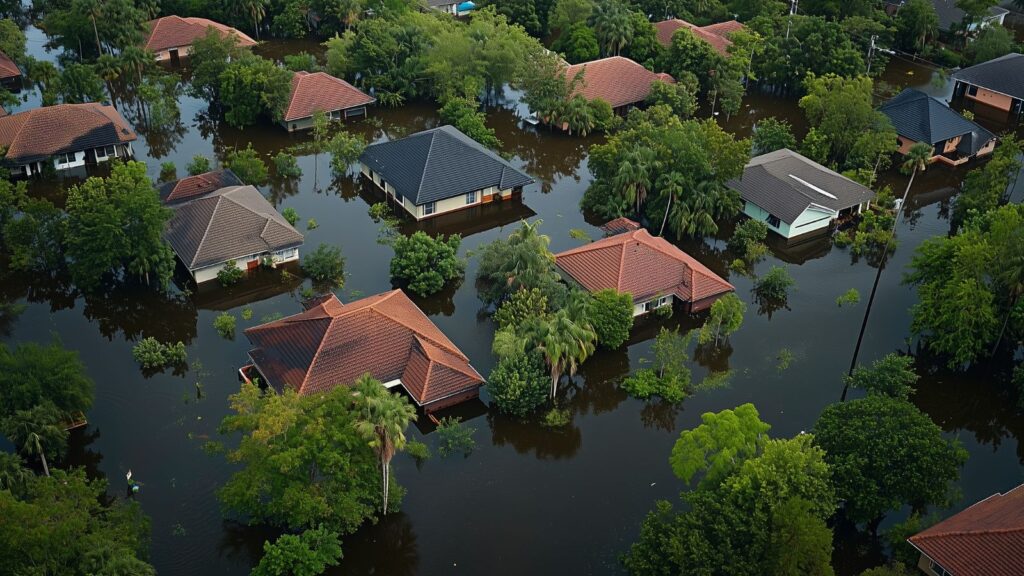
Louisiana residents who have lived through major hurricane events know that the storm itself is only the beginning of the struggle. The months of navigating insurance claims that follow a major hurricane can be as exhausting and disorienting as the disaster itself. Policyholders who paid premiums for years expecting protection often encounter claim delays, underpayments, disputed coverage, and flat denials that leave them unable to repair or rebuild their homes and businesses.
Louisiana law provides real tools for fighting back against unfair insurance claim handling after a hurricane. Understanding those tools, and when to bring in legal support to use them effectively, is what separates policyholders who recover fully from those who accept whatever the insurer offers.
The Multi-Layered Coverage Problem After a Hurricane
Hurricane damage in Louisiana frequently triggers multiple insurance policies simultaneously, and the interaction between those policies is a major source of disputes. A typical homeowner may have a standard homeowners policy covering wind damage, a separate flood insurance policy under the National Flood Insurance Program covering rising water, and possibly an additional policy covering specific structures or contents.
Insurers covering wind damage have a financial incentive to attribute as much damage as possible to flooding, which is covered by a separate policy with its own limits. Flood insurers have the inverse incentive. Policyholders caught in this dispute often find themselves receiving less than full compensation from either source while the insurers argue about whose coverage applies.
Louisiana’s Bad Faith Insurance Laws
Louisiana has among the strongest statutory protections for insurance policyholders in the country. An insurer that fails to pay a valid claim within 30 days of satisfactory proof of loss, or that fails to initiate loss adjustment within 14 days of notice of the claim, may be subject to penalties including 50 percent of the damages owed plus attorney fees under Louisiana’s bad faith statutes.
The Louisiana Department of Insurance enforces compliance with these standards and provides policyholders with a formal complaint process for reporting insurer misconduct. Documentation of the insurer’s handling of the claim, including all written communications, adjuster reports, and payment records, is essential for any bad faith action.
Common Disputes in Louisiana Hurricane Claims
The most common battlegrounds in Louisiana hurricane insurance claims include:
- Wind vs. water disputes: Arguments about whether specific damage was caused by wind, which is covered, or flooding, which requires separate flood coverage
- Scope of repair disputes: Disagreements about what repairs are necessary, what materials and methods should be used, and what those repairs should cost
- Code upgrade coverage: Disputes about whether the policy covers the additional cost of bringing repaired structures up to current building codes
- Additional living expense claims: Disputes about the amount and duration of coverage for temporary housing costs while the primary residence is being repaired
- Business interruption claims: For commercial property owners, disagreements about the covered period and amount of lost business income
When to Bring in a Hurricane Claims Attorney
A hurricane insurance claims attorney in Louisiana becomes essential when an insurer denies the claim, when the offered payment is substantially below the actual cost of repair, when the insurer is applying the wind vs. water distinction in ways that do not accurately reflect the damage, or when the claims process has stalled without explanation.
An attorney with experience in Louisiana hurricane claims knows how to retain independent engineers and adjusters who can produce credible alternative damage assessments, how to invoke the appraisal process under the policy when estimates are in dispute, and how to pursue bad faith claims when the insurer’s conduct has fallen below the standards required by Louisiana law.
Acting Before the Prescriptive Period Runs
Insurance disputes in Louisiana are subject to specific prescriptive periods that vary depending on the type of claim and the specific policy provisions. Given the one-year prescriptive period that applies to many Louisiana legal actions, policyholders who are engaged in prolonged disputes with their insurer should consult with an attorney well before that deadline approaches to ensure their legal options remain intact.